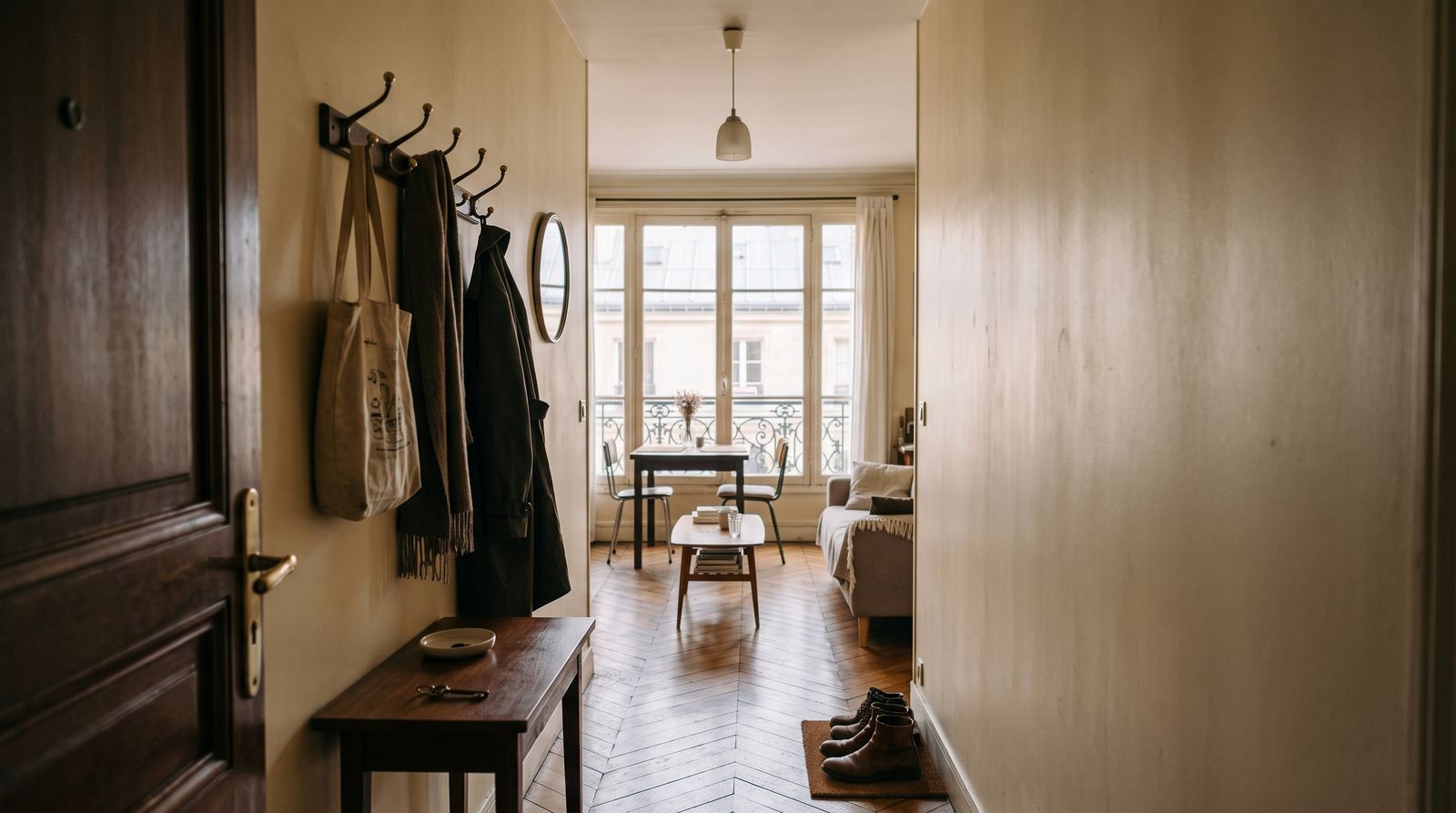
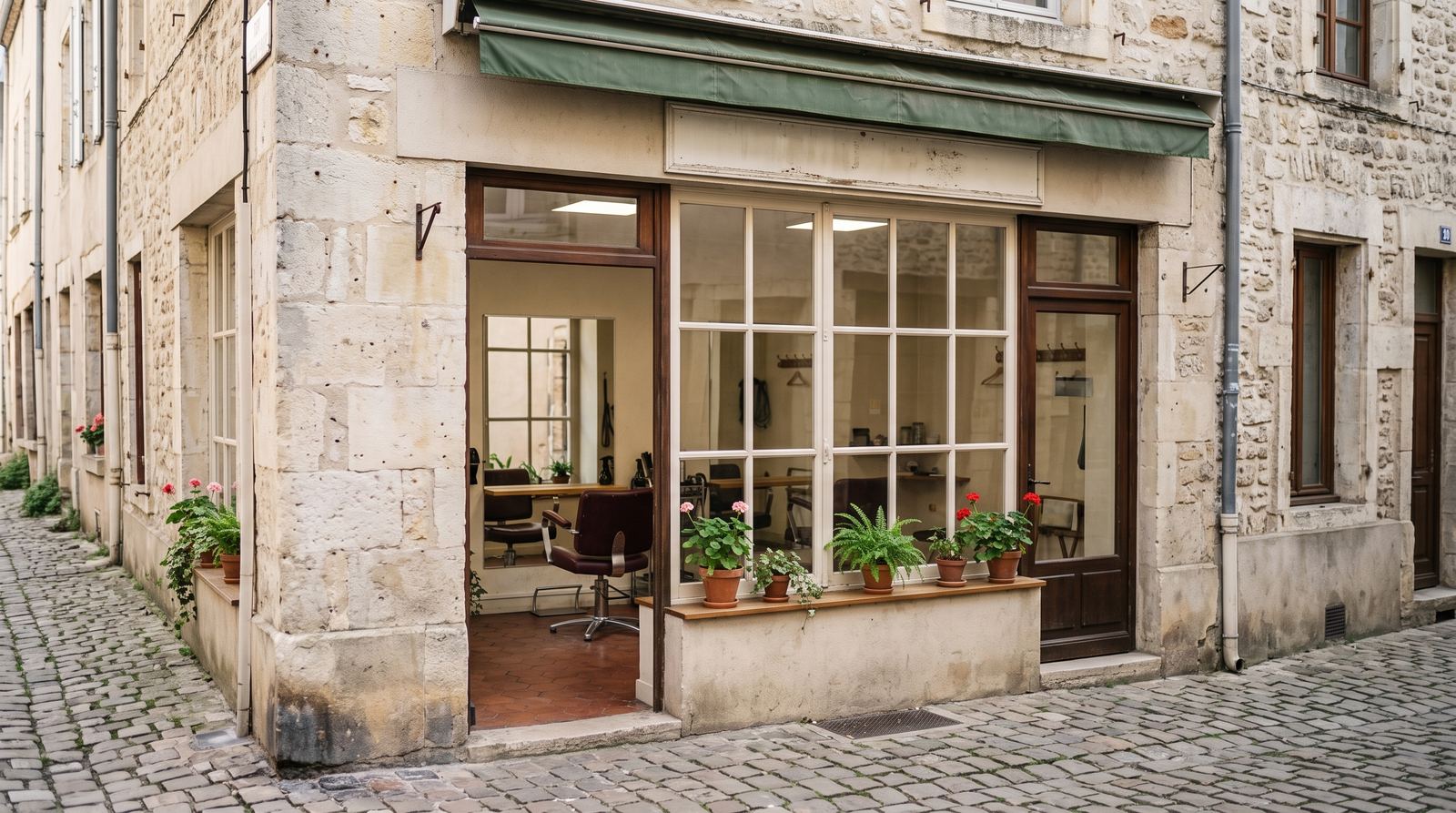
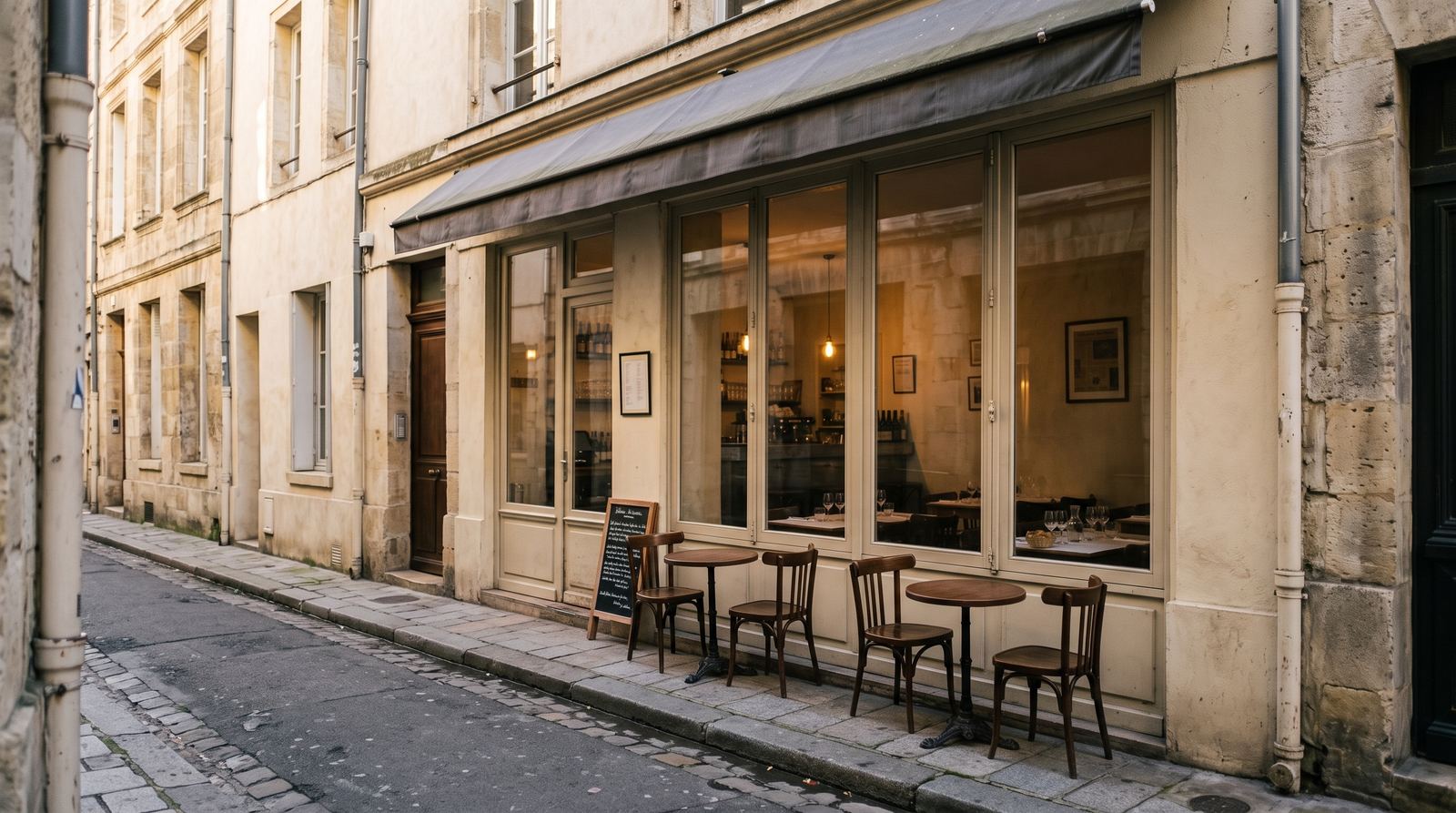
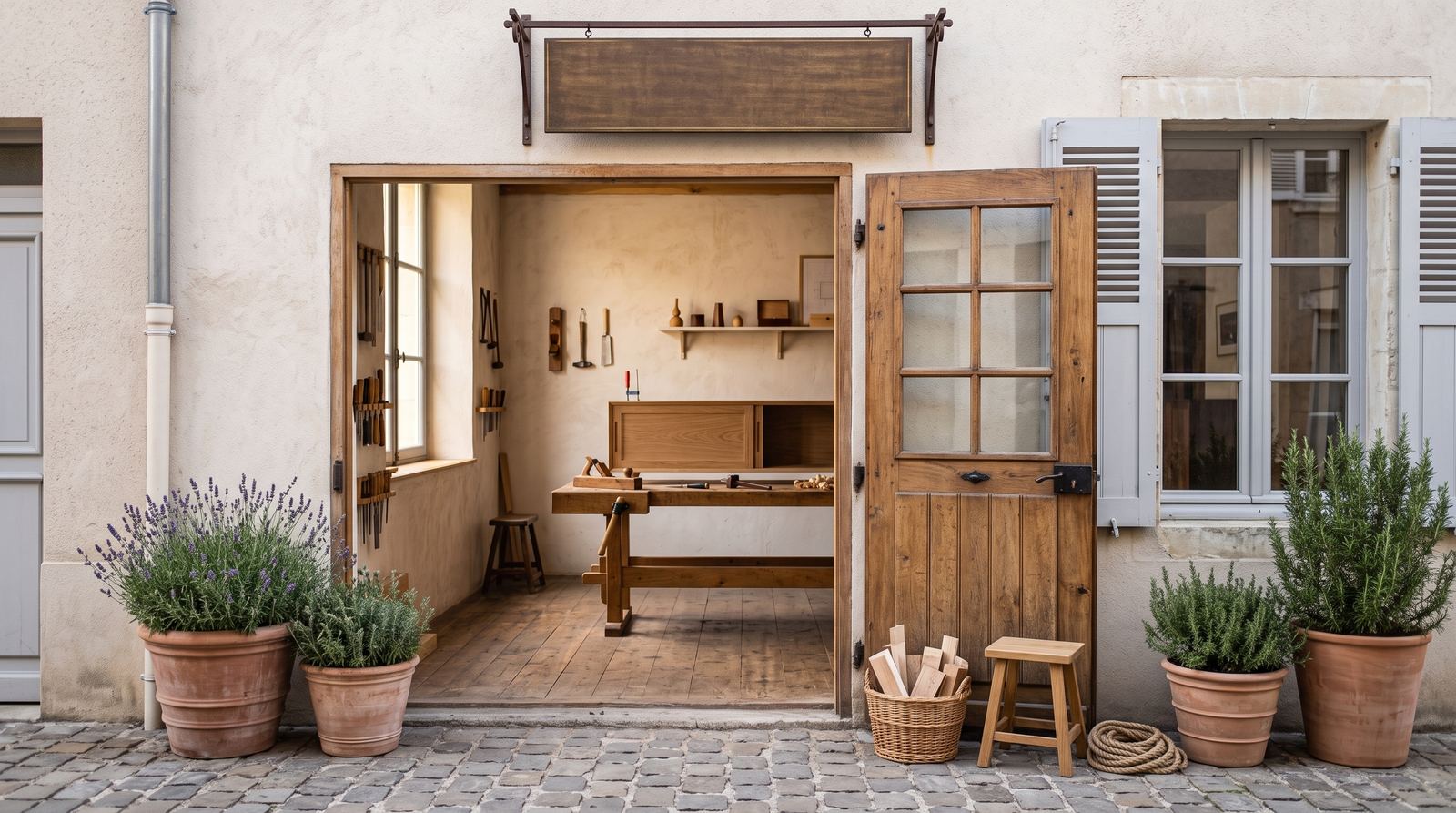
MOTIONEST example · your photos replace these images.
The short answer
The most reliable method starts with one clear commercial goal, coherent references and approval before animation. Platform, length and motion come next.
A photo can answer one precise need quickly; video connects several proofs and can hold attention longer. The right order depends on the page, platform and desired action.
Turn the advice into a creation brief
Apply this guide to one concrete campaign rather than your entire communication plan. Write down the intended audience, desired action, publishing platform and the detail that must remain perfectly accurate. Then prepare four or five coherent references from the same place or product. Your first check is: choose one desired action. Compare output with the source files, verify commercial information separately and keep one clean version without text. That master can be adapted for several platforms without rebuilding the visual work, while each caption, price, date and booking link remains easy to update.
Start with a photo for one clear proof
A product page, listing or business profile update may need one sharp image first. Improve the visual that carries the main information.
Choose video to connect several views
A property, shop, workshop or collection benefits from context, subject and detail in one sequence. Four or five references are often enough for fifteen seconds.
Build a small coherent library
Keep the enhanced images and reuse them in the video, thumbnail, listing and posts. This continuity is more useful than unrelated one-off campaigns.
Write a brief that actually helps
Describe the business, audience, desired action and details that must not change. Avoid an overlong camera script: a clear direction gives the model creative room while protecting the reality of the project.
Build the sequence before generation
Order references from context to detail. A 15-second video usually works with four or five images; 30 seconds benefits from six to eight genuinely different views. Remove duplicates and any photo from another place, product or period.
Publish with verifiable proof
Review the output, visible characteristics, rights and final copy. A demo shows a possibility, never an identical guarantee. Keep the master and adapt format, branding or call to action for each platform.
Checklist before you start
- Choose one desired action
- Use 4–5 coherent photos for 15 seconds
- Check rights, people and visible data
- Approve enhanced images before video
- Overlay exact logo and text
- Review factual accuracy before publishing
Practical reference
| Step | Decision | Check |
|---|---|---|
| Goal | Discover, book or buy | One action |
| References | 4–5 views for 15s | Same project |
| Format | Target platform | Safe areas |
| Approval | Images then video | Real-world accuracy |
Frequently asked questions
Can the same photos be reused?
Yes, for another length or format, provided they still describe the offer accurately.
Will the output match a demo exactly?
No. Results depend on references and settings; you review enhanced images before video generation.
Where should logo and text go?
Inside platform safe areas, composited after generation so typography remains exact.